
Product Liability
Aqueous Firefighting Foam Lawsuits
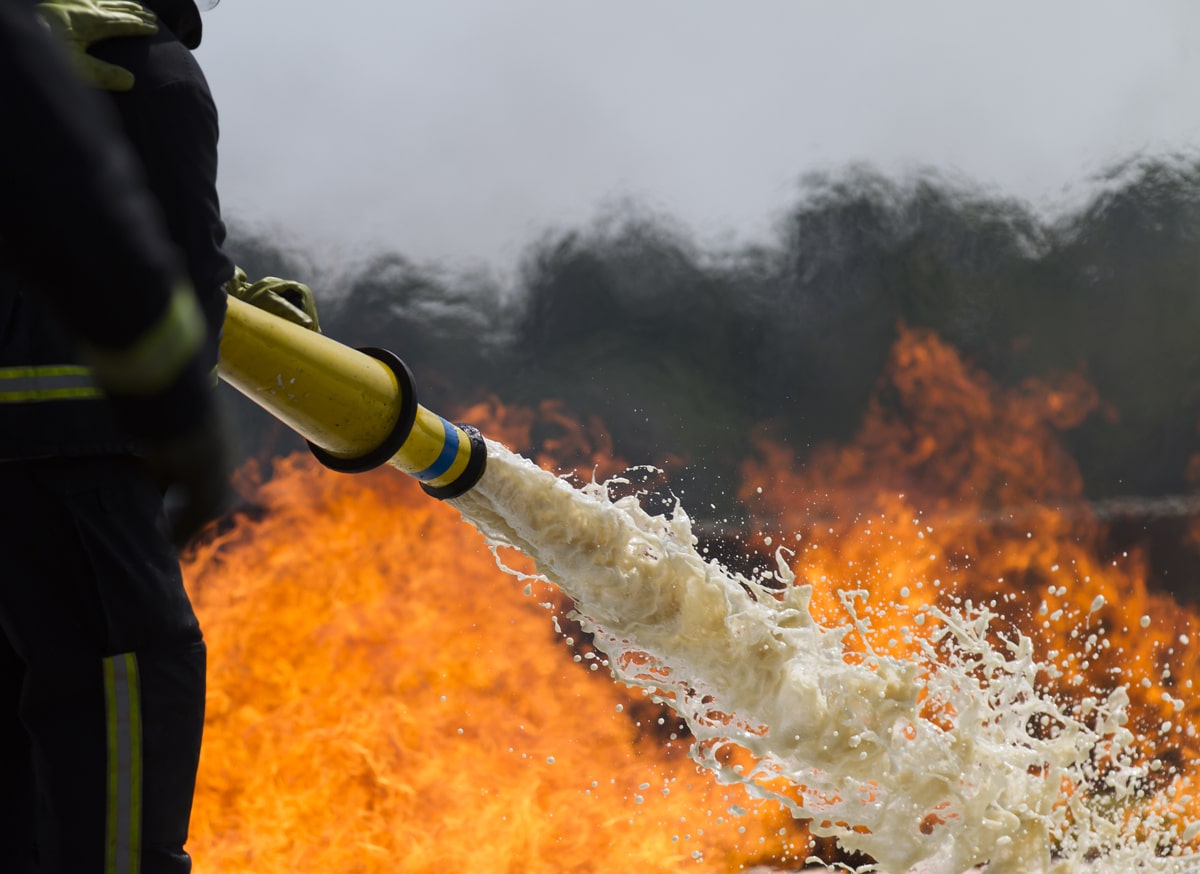
Aqueous Film Forming Foam (AFFF), commonly known as firefighting foam, has been used for decades by military personnel, firefighters, airports, industrial facilities, and others to extinguish fuel-based fires. Numerous lawsuits allege that certain AFFF products contained PFAS chemicals, sometimes referred to as "forever chemicals," which may persist in the environment and the human body. Individuals who were regularly exposed to AFFF and later developed certain cancers or other serious health conditions may have legal rights. Attorneys are investigating claims involving exposure to firefighting foam and related injuries. Complete the form below to learn whether you may qualify for a free, confidential case evaluation.
• Open - Accepting New Clients
Did Exposure to Firefighting Foam Cause Your Cancer?
For decades, firefighters, military personnel, airport workers, and industrial employees relied on Aqueous Film Forming Foam (AFFF) to quickly extinguish dangerous fuel fires. AFFF was widely used during emergency responses, training exercises, and routine fire suppression activities throughout the United States and Canada.
In recent years, scientists, regulators, and health researchers have raised concerns about chemicals known as PFAS (per- and polyfluoroalkyl substances) that were allegedly present in many AFFF products. PFAS chemicals are sometimes referred to as “forever chemicals” because they can remain in the environment and the human body for many years.
According to numerous lawsuits, repeated exposure to AFFF may have increased the risk of developing certain cancers and other serious health conditions. Plaintiffs allege that manufacturers knew or should have known about the potential risks associated with PFAS-containing firefighting foam but failed to adequately warn users of those dangers.
Who Was Exposed?
Individuals who may have experienced significant exposure to AFFF include:
- Career firefighters
- Volunteer firefighters
- Military personnel
- Airport firefighters and emergency responders
- Airport employees
- Industrial firefighters
- Petroleum refinery workers
- Chemical plant workers
- Individuals who lived or worked near military bases or facilities where firefighting foam was regularly used
Many exposed individuals handled firefighting foam directly, participated in training exercises involving foam deployment, or worked in environments where PFAS contamination may have occurred.
Health Conditions Associated with AFFF Exposure
Research continues regarding the long-term effects of PFAS exposure. Lawsuits have alleged connections between AFFF exposure and several serious medical conditions, including:
- Kidney cancer
- Testicular cancer
- Bladder cancer
- Thyroid cancer
- Liver cancer
- Pancreatic cancer
- Ulcerative colitis
- Other cancers and serious illnesses
Not every person exposed to AFFF will develop these conditions. However, individuals diagnosed with certain illnesses after years of occupational or environmental exposure may wish to learn more about their legal rights.
Ongoing Litigation
Thousands of lawsuits have been filed against manufacturers of AFFF products. These cases generally allege that PFAS-containing firefighting foam contaminated groundwater, drinking water supplies, workplaces, and surrounding communities, resulting in harmful exposures.
The defendants deny liability, and the litigation remains ongoing. No outcome can be guaranteed. However, individuals who experienced significant exposure and later developed qualifying medical conditions may be eligible to pursue compensation for medical expenses, lost income, pain and suffering, and other damages depending on the facts of their case.
What Should You Do?
If you were exposed to firefighting foam and later developed cancer or another serious medical condition, it may be important to preserve:
- Medical records
- Pathology reports
- Employment records
- Military service records
- Fire department records
- Documentation showing exposure to firefighting foam
These records may help establish the nature and duration of your exposure.
Contact an Attorney
Attorneys are investigating claims involving AFFF firefighting foam and PFAS exposure.
If you or a loved one were exposed to firefighting foam and later developed a qualifying cancer or serious medical condition, complete the form on this page to learn more about your legal rights and determine whether you may qualify for a free, confidential case evaluation.
There is no obligation, and submitting the form does not create an attorney-client relationship.